Research
Theme 1: The genetic architecture of adaptation to contemporary environments
Urban-rural cyanogenesis (HCN) clines
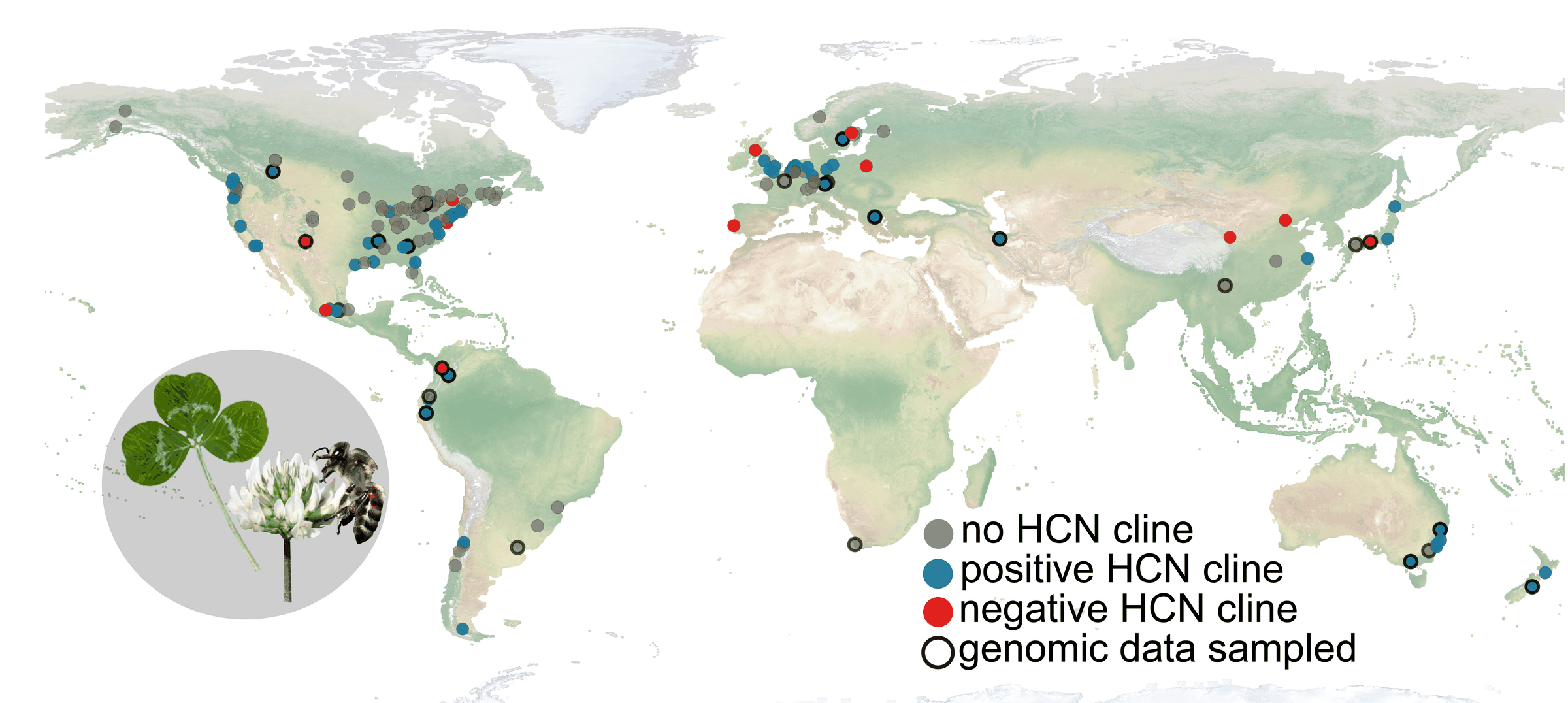 Figure 1: Map of cities sampled as part of the Global Urban Evolution Project.
Cities with positive clines (HCNUrban < HCNRural) are
colored blue while cities with negative clines (HCNUrban >
HCNRural) are colored red.
Humans are having a decisive impact on natural environments around the world, forcing species to move, adapt, or go extinct. One such form of environmental change is urbanization, and approximately 55% of the world’s human population currently lives in cities, a figure that continues to grow annually. Similarly, croplands and pastures currently account for about 40% of Earth’s ice-free land, and anthropogenic sources of selection in these habitats can be strong and multifarious. A major focus of our lab is to understand the genetic architecture of plant adaptation to these heavily human-modified urban and agricultural landscapes.
For example, we helped launch the GLobal Urban Evolution Project (GLUE), a collaborative effort among 287 scientists around the world with the common goal of understanding the mechanisms underlying urban evolutionary change in white clover (Trifolium repens). In this project, we documented urban-rural clines in hydrogen cyanide (HCN)—a plant defensive trait that also affects resistance to abiotic stressors (e.g., frost, drought)—in 160 globally distributed cities. We generated a lot of data as part of this GLUE, which numerous other projects have leveraged. For example, Aude Caizergues used the genomic data to explore the demographic consequences of urbanization. Similarly, Nic Kooyers, Brandon Hendrickson, Kay Hodgins, and Paul Battlay led efforts to examine the consequences of white clover’s invasion out of the Mediterranean to all inhabited continents, and some of the loci underlying adaptation in its native and introduced ranges.
Quantitative trait evolution and genome-wide selection
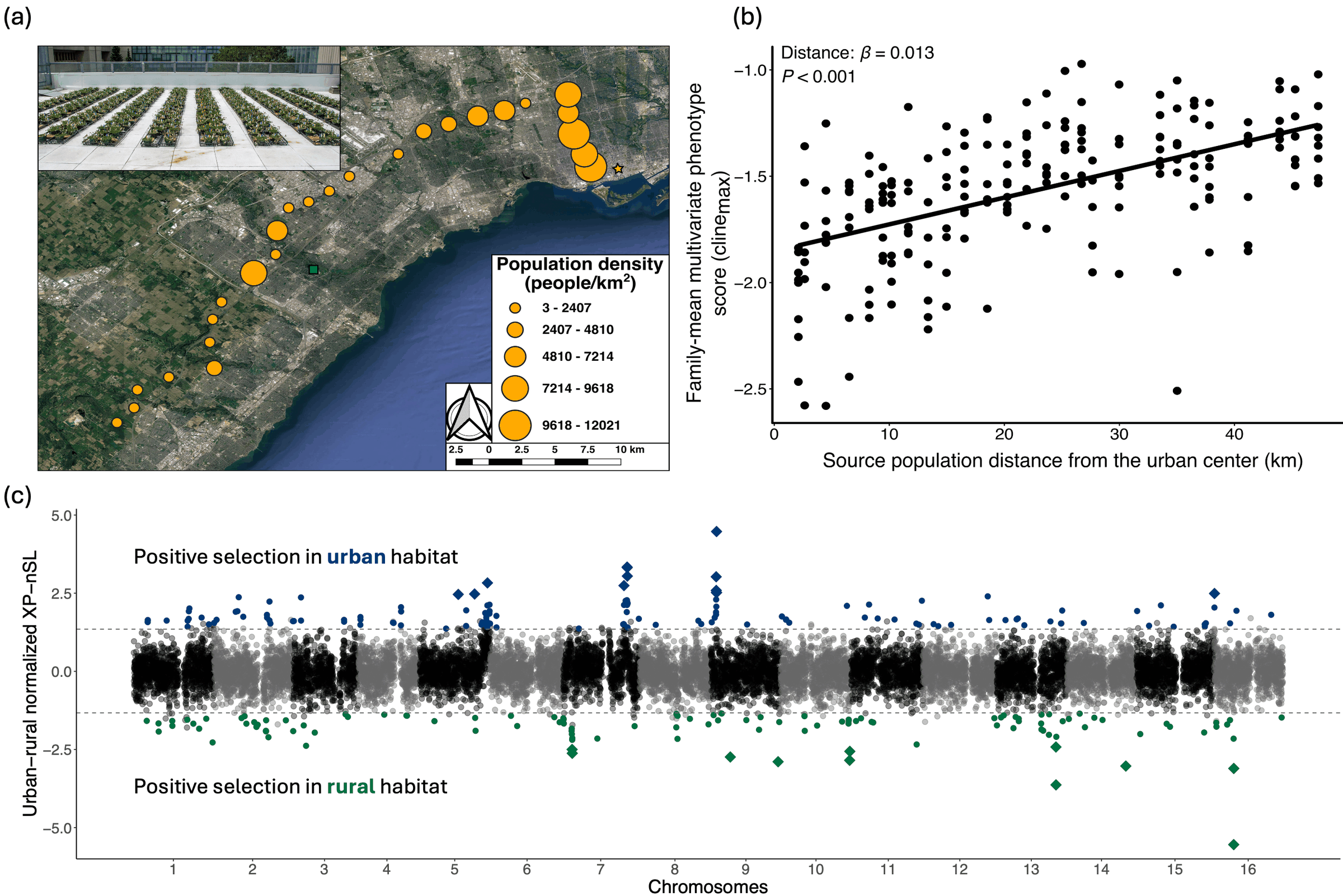 Figure 2: Top left: Populations sampled and common garden experiment used to
detect quantitative trait differentiation of white clover populations across
an urban-rural transect in Toronto, Canada. Top right: Multivariate phenotypic
cline among Toronto white clover populations. Each point represents a plant’s
multivariate cline score, which combines standardized measurements of 14
phenotypic traits and their genetic correlations. Bottom: Cross-Population
Number of Segregating Sites by Length (XP-nSL) scores for urban and rural
plants in Toronto. This statistic identifies candidates of positive selection
using genome-wide haplotype data.
Given the multifarious environmental changes associated with the development of cities, urbanization is likely to drive differentiation in many phenotypic traits. In line with this prediction, a common-garden experiment identified a multivariate phenotypic cline across the city of Toronto: urban and rural populations were differentiated in numerous quantitative traits involved in plant growth and reproduction (see Figure 2 above, top), which observational data suggested might be driven by variation in the underlying pollinator environment. Patterns of phenotypic differentiation appear mirrored across the genome, as recent work using 120 plants from these same populations has identified signatures of selection in genes underlying growth, reproduction, and abiotic stress tolerance (see Figure 2 above, bottom) in both urban and rural habitats.
Ongoing projects and questions
We have many ongoing projects leveraging diverse techniques to better understand the traits and genes facilitating plant adaptation to rapidly changing environments. While existing work has largely been focused on cities, we are expanding our focus to other heavily human-modified landscapes, and to a broader suite of traits. Here are some sample ideas we’re thinking about:
- Uncovering the genetic architecture of resistance to biotic (e.g., herbivory) and abiotic (e.g., drought, frost) stressors, examining trade-offs among resistance strategies and pleiotropy of resistance loci, and the extent to which these genetic architectures are contributing to adaptation of natural populations.
- Quantifying the strength of selection on complex traits in response to changes in underlying land-use history.
- Examining introgression between naturalized white clover populations and artificially selected cultivars that have been planted by farmers or in clover lawns.
- Quantifying contemporary agents and targets of selection in multi-year common-garden experiments.
Theme 2: Resource development
Genome assembly and annotation
Access to high-quality molecular and genomic resources is essential to help drive investigations into the genetic basis of adaptation, particularly in non-model systems where such resources have been historically lacking.
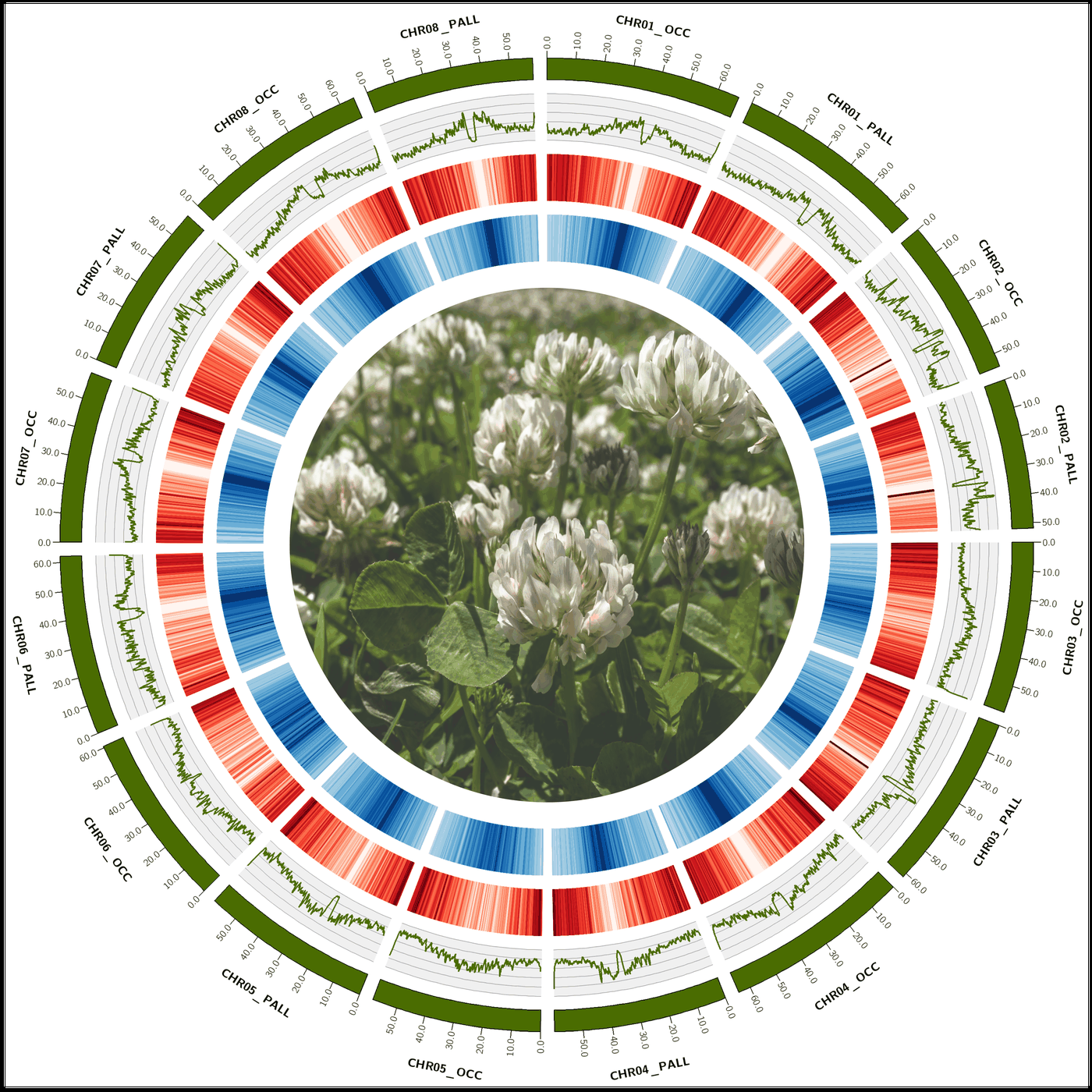 Figure 3: Circos plot of white clover assembly showing chromosomes (outer green bars),
GC content (green line), gene density (red heatmap), and repeat content (blue heatmap).
To facilitate many of the ongoing genomic analyses for some of the projects discussed above, it was necessary to improve on white clover’s genomic resources. In collaboration with other labs that use clover as a model system, we developed a chromosome-level, haplotype-resolved assembly for T. repens. In addition to a haplotype 1 and haplotype 2, we also generated a functionally annotated, haploid mapping assembly, the annotation pipeline for which is publicly available and has been used on assemblies for other species with some success (though some modifications are necessary).
In collaboration with Yaseen Mottiar, we are developing and annotating a haplotype-resolved, chromosome-level assembly of Eastern Leatherwood (Dirca palustris) to drive future investigations into the unusual lignification process in this system. D. palustris has half the lignin of typical plant species and, as a result, flexible stems that were used as rope by Indigenous peoples and early settlers in Canada. Similarly, we are collaborating with Carole Yauk’s lab to develop a reference genome of the North American Herring Gull (Larus smithsonianus), which we will leverage to understand how changes in pollution levels in Hamilton Harbour—a heavily contaminated industrial waterway in southern Ontario—have impacted somatic and germline mutation rates and spectra.
Ongoing projects and questions
All of the projects described so far have used a single reference genome. However, this can introduce biases in analyses, particularly in complex plant genomes like white clover that are loaded with repeats and structural rearrangements.
A focus of the lab going forward will be to add to the growing number of chromosome-level assemblies in white clover to:
- Examine the extent to which reference biases have affected prior, single-reference-based approaches.
- Leverage pangenomic analyses to explore structural rearrangements of the genome (e.g., inversions, large INDELs, translocations).
- Explore how transposable elements have proliferated across the white clover genome.
Theme 3: Other research in plant evolutionary genetics
Population genetic simulations
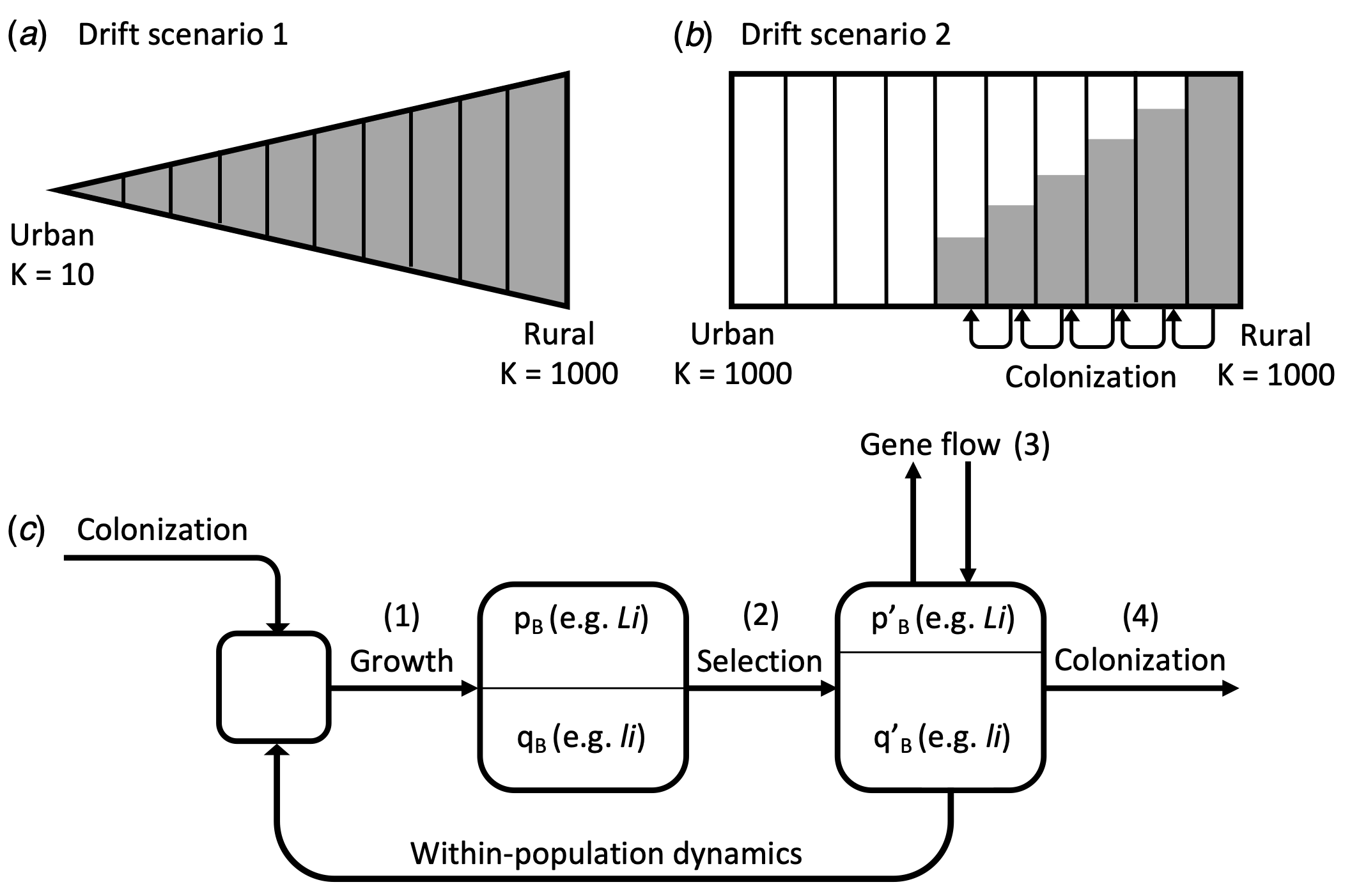 Figure 4: Schematic of population genetic simulations used for evaluating the
formation of clines in HCN via drift, gene flow, and selection.
HCN exhibits duplicate-recessive epistasis (or complementary epistasis), whereby plants require a functional allele at each of two interacting loci to produce HCN. Recessivity at either locus (or both) results in the inability to produce HCN due to the absence of one of the precursors. Because of this non-additive genetic architecture, populations of T. repens may be particularly susceptible to decreases in HCN frequencies via drift alone, since the only way for HCN frequencies to drift upwards would be for the frequency of the functional alleles at both loci to drift upwards. During my PhD, I simulated the evolution of clines in HCN under gradients with varying strength of genetic drift, selection, and levels of gene flow to examine how these mechanisms interact in the evolution of clines in traits with non-additive genetic architectures. We found that drift on its own is sufficient to drive the deterministic loss of HCN in strongly drifting populations. We are currently extending these simulations to other types of epistasis to see how gradients in the strength of genetic drift more generally drive the deterministic evolution of clines in two-locus traits with non-additive genetic architectures.
Other simulation projects include:
- Testing the performance of gene-environment association analyses (e.g., LFMM, BayPass) under varying levels of population structure with and without structure-correction.
Ongoing projects and questions
We’re interested in all things plant evolutionary genetics. Here’s a small random sample of other projects that are at various stages of development:
- Mapping the self-incompatibility locus in white clover.
- Mapping the genetics of a novel leaf color polymorphism in white clover.
- Leveraging extant white clover progenitor species to explore questions around the evolution of polyploidy.
- Comparing the performance of existing genotype-imputation software in highly diverse, highly recombining non-model species.